Every parent who has ever driven away from a school gate, watching their child disappear through its doors, understands the weight of that moment. You are not just enrolling them in a curriculum. You are trusting an institution with their safety, their wellbeing, and their life. The tragedy at Utumishi Girls Senior Secondary School in May 2026 brought that weight crashing back into our consciousness. Sixteen young lives lost in a dormitory fire, and suddenly every Kenyan parent has started asking the same question: did I check enough before I signed that form? Across the country, boarding school safety Kenya became a topic of urgent discussion among parents evaluating their options. This guide exists to ensure your answer, going forward, is yes.
Table of Contents
Why the Open Day Visit Is Not Enough
Most parents visit a school once, attend the structured open day tour, admire the library, listen to the principal, and make a decision based largely on the school’s academic reputation. That is understandable. It is also insufficient. Open day tours are curated. What you are shown is designed to impress. What matters is what you look for on your own.
Boarding school safety in Kenya is not something the Ministry of Education or school administrators will always volunteer to discuss. You have to ask, and you have to know what to ask.
The Physical Safety Audit: Walk the Dormitory Yourself
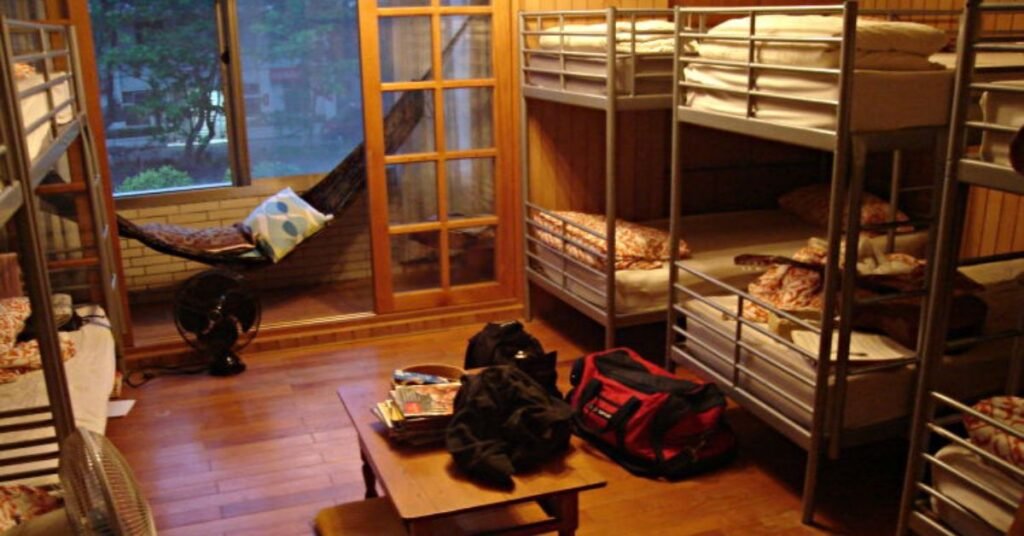
Request a tour of the dormitory, specifically. Not a glimpse from the doorway, a full walk-through. What you are looking for is not whether the beds are neat. You are assessing whether your child could get out of that building alive in an emergency.
If the school cannot show you these things, or if any of them are absent, that is not a minor administrative gap. It is a red flag that should weigh heavily in your decision.
Emergency Protocols: Ask the Hard Questions
A good boarding school does not just have a plan on paper. It practises that plan. Ask the administration the following questions directly, and listen carefully to how they answer, not just what they say.
Evasive answers, vague assurances, or visible discomfort with these questions tell you something important. Transparent schools with strong safety cultures will answer them readily.
Staff Presence and the Night Shift Reality
Daytime staff ratios and nighttime realities are two different things. In many Kenyan boarding schools, the matron or master on duty at 2 AM is a single person responsible for hundreds of students across multiple dormitories. That is not a staffing model that supports effective emergency response.
Ask specifically about night staffing. Find out whether dormitory staff sleep within the building or in separate quarters some distance away. In an emergency, the physical location of the adult responsible for your child matters enormously.
What the Administration Culture Tells You
Beyond the physical infrastructure, the attitude of the school administration is itself a safety indicator. Schools where students feel they cannot raise grievances, where complaints are punished rather than addressed, and where there is a culture of silence tend to be the same schools where student unrest eventually erupts, sometimes violently.
Research on school-based conflict in Sub-Saharan Africa consistently links dormitory unrest and arson to environments where students feel unheard and mistreated. A UNESCO report on school violence and student wellbeing in Africa found that schools with functioning student voice mechanisms and transparent grievance channels experienced significantly fewer incidents of student-initiated destruction. Ask the principal how student complaints are handled. Ask what the last significant student grievance was and how it was resolved.
Red Flags That Schools Hope You Will Not Notice
These are the things most parents miss because they are not visible during a standard tour and no administrator will volunteer them.
These are not hypothetical concerns. They are observable realities in a number of Kenyan schools that maintain strong academic reputations while neglecting the infrastructure that keeps students alive.
Prepare Your Child, Not Just Your Checklist
Even the safest school requires a prepared child. Before your child joins a boarding school, have a direct conversation about what to do in an emergency. Teach them to identify fire exits when they arrive at a new dormitory, the same way a responsible traveller identifies exits in a hotel room. Ensure they know how to reach you, even when phones are restricted. Build the kind of relationship where they would tell you if something was wrong before it became dangerous. Our guide on how to talk to your child about boarding school before they leave home covers this in detail.
Your Rights as a Parent
Under Kenya’s Education Act and the Basic Education Regulations, schools are obligated to maintain safe learning environments. The Kenya National Building Code sets out structural safety requirements for institutional buildings. Parents have the right to request documentation of a school’s fire safety certificate and to raise concerns with the County Director of Education if a school fails to meet safety standards.
You are not being difficult by asking these questions. You are being responsible. Any school that treats your safety questions as an inconvenience has already told you something worth knowing.
Frequently Asked Questions
What should I check first when visiting a boarding school in Kenya?
Start with the dormitory. Request a full walk-through and assess fire exits, smoke detectors, fire extinguishers, and the actual number of students sleeping in the space. These physical basics reveal more about a school’s safety culture than any brochure.
Is it legal for a school to refuse to show parents the dormitory?
Schools are not legally obligated to show parents around on demand, but a school that actively resists reasonable requests from prospective parents to inspect dormitory conditions is raising a significant concern. Frame it as part of your admission decision process; most schools will cooperate.
What documents can I request from a boarding school regarding safety?
You can request a copy of the school’s fire safety certificate, its emergency evacuation plan, and records of fire drills conducted in the current or previous academic year. If the school cannot produce these, escalate to the County Director of Education.
How do I know if a school’s administration is approachable and transparent?
Ask about a past student grievance and observe the response. Transparent administrators will give you a direct, considered answer. Defensive or vague responses, dismissal of your concern, or redirection to marketing materials are signs of a closed administration culture.
What should my child know about fire safety before joining a boarding school?
Teach your child to locate fire exits and the assembly point on their first day in a new dormitory, to raise an alarm immediately if they smell smoke, never to re-enter a burning building, and to have a reliable way to contact you in an emergency. This conversation can be brief but it should be deliberate.
