Ebola virus disease in Kenya has not historically been a direct concern, but that calculation is changing fast. With an active outbreak in the Democratic Republic of Congo spreading into Uganda and international attention now turning toward East Africa, Kenyans deserve clear, factual information rather than panic or silence. This guide breaks down what Ebola actually is, how it spreads, which strain is currently circulating, and what treatments are now available. If you have been following the infectious disease conversation online, you already know the stakes. If you are just catching up, this is the right place to start.
Table of Contents
What Is Ebola and How Does It Spread?
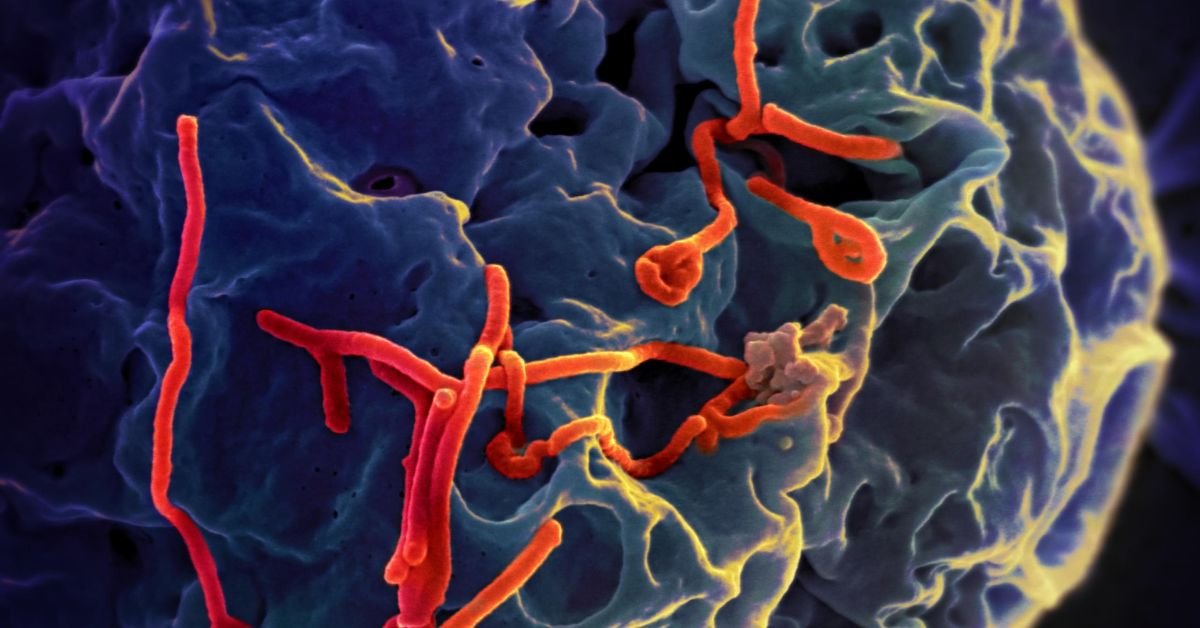
Ebola is a severe, often fatal illness caused by the Ebola virus, a member of the filovirus family. It was first identified in 1976 near the Ebola River in what is now the DRC, and it has caused sporadic outbreaks across Central and West Africa ever since. The virus triggers hemorrhagic fever, meaning it damages the body’s ability to regulate bleeding and leads to organ failure if not treated quickly.
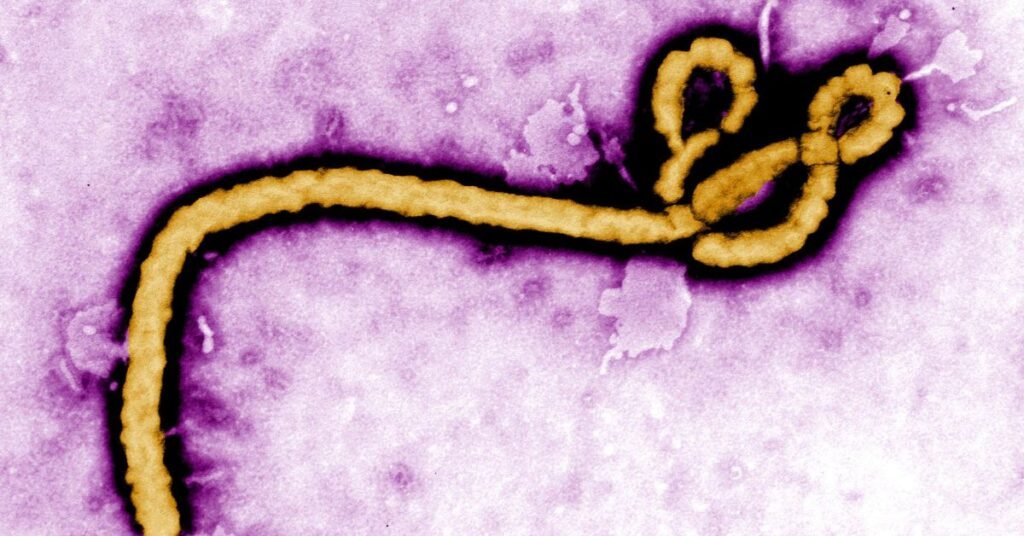
Understanding how Ebola spreads is essential because misinformation is one of the biggest threats during any outbreak. Ebola is not airborne. You cannot contract it by breathing the same air as an infected person or through casual contact in a market or public space. The virus spreads through direct contact with the blood, body fluids, or organs of an infected person or animal. This includes caring for a sick person without protective equipment, handling the body of someone who died from Ebola, or coming into contact with contaminated surfaces.
Healthcare workers and family caregivers face the highest risk, which is why proper protective equipment and isolation protocols are so critical during any outbreak response.
The Bundibugyo Strain: Why the Current Outbreak Is Different
Not all Ebola outbreaks are the same. The virus has several distinct strains, and the one driving the current DRC outbreak is the Bundibugyo strain, also known as BDBV. This distinction matters enormously for two reasons: treatment and prevention.
The more familiar Zaire strain, which caused the catastrophic 2014-2016 West Africa epidemic that killed over 11,000 people, now has an approved vaccine called Ervebo as well as approved monoclonal antibody treatments. The Bundibugyo strain, however, has neither. There is currently no approved vaccine and no approved specific treatment for this strain. Researchers are racing to develop interventions, but as of mid-2026 none have received regulatory approval.
The Bundibugyo strain has appeared before, in Uganda in 2007-2008 and in the DRC in 2012, but the current outbreak is the largest and most geographically spread this strain has caused. It has already crossed from DRC into Uganda, and authorities are tracking its movement closely.
How Does Bundibugyo Present Clinically?
Studies from previous Bundibugyo outbreaks suggest it carries a somewhat lower case fatality rate than the Zaire strain, though it remains devastating. Symptoms are similar across Ebola strains: sudden fever, severe headache, muscle pain, vomiting, diarrhea, rash, and in severe cases internal and external bleeding. The average incubation period ranges from 2 to 21 days, with most cases emerging within 8 to 10 days of exposure.
Are There Approved Cures for Ebola?
This is one of the most important updates in Ebola science that most people are still unaware of: for the Zaire strain, there are now highly effective approved treatments. The World Health Organization formally recommended two monoclonal antibody therapies in 2022: mAb114, marketed as Ebanga, and the combination therapy REGN-EB3, marketed as Inmazeb. Clinical trials in the DRC showed both treatments achieved survival rates of approximately 90 percent when administered early.
The WHO’s first formal guideline on Ebola therapeutics, published in 2022, marked a genuine turning point in how the world approaches this disease. Both therapies are approved by the US Food and Drug Administration and stockpiled by the US government.
The critical caveat is that these treatments were developed and tested specifically against the Zaire strain and do not work against Bundibugyo. For the current DRC outbreak, treatment remains primarily supportive: managing fluids, controlling symptoms, and keeping the patient stable while their immune system fights the infection. Experimental antibody therapies are being trialed under compassionate use protocols, but nothing is yet approved specifically for the Bundibugyo strain.
Has Kenya Ever Had Ebola?
Kenya has never recorded a confirmed Ebola outbreak. The country has, however, faced close calls. In September 2022, health officials in Kakamega County investigated a suspected case involving a man who had recently returned from Uganda, where an outbreak was active at the time. The patient was placed in isolation at St. Mary’s Hospital in Mumias while samples were sent for laboratory testing. The case was ultimately ruled out, and no community spread occurred.
Kenya’s position as a regional transport and business hub, with Nairobi serving as a major continental gateway, means the country will always carry some exposure risk during regional outbreaks. The country’s disease surveillance systems are significantly more robust than those in the most affected areas, but proximity and connectivity still matter in outbreak dynamics.
What Kenya’s Health Authorities Are Doing
Kenya’s Ministry of Health has activated its Ebola preparedness protocols in response to the current DRC outbreak. This includes enhanced surveillance at border crossings, briefings for health workers at major hospitals, and active coordination with the WHO and Africa CDC. The country has experience running such protocols, having done so during multiple Uganda-linked scares and during the 2014-2016 West Africa epidemic.
The more contentious question, however, is whether preparedness infrastructure is sufficient when external governments are making decisions about where and how Ebola-exposed individuals are handled in this region, a debate we explore in detail in our piece on the US Ebola facility in Nanyuki.
How to Protect Yourself: Practical Steps
The risk to the average Kenyan living in Nairobi or other urban centres remains very low. Ebola does not spread easily, and Kenya has no confirmed cases. That said, staying informed is the first line of protection.
Above all, do not rely on social media rumours. Misinformation during disease outbreaks costs lives.
Frequently Asked Questions (FAQ)
Is Ebola airborne?
No. Ebola is not airborne and cannot spread through casual contact or breathing the same air as an infected person. It requires direct contact with blood, body fluids, or contaminated materials.
Does Ebola have a cure?
There are two approved treatments for the Zaire strain: Ebanga (mAb114) and Inmazeb (REGN-EB3), both showing around 90 percent effectiveness when given early. There is currently no approved treatment for the Bundibugyo strain driving the current DRC outbreak.
What is the Bundibugyo strain of Ebola?
Bundibugyo is one of several distinct strains of the Ebola virus. Unlike the Zaire strain, it has no approved vaccine or targeted treatment as of 2026. It is the strain behind the current outbreak in eastern DRC and Uganda.
Has Kenya ever had Ebola?
Kenya has never had a confirmed Ebola outbreak. The country has investigated suspected cases linked to neighbouring outbreaks, all of which were ultimately ruled out.
What should I do if I think I have been exposed to Ebola?
Seek medical attention immediately at the nearest public hospital and inform healthcare staff of any recent travel to affected areas. You can also call Kenya’s Emergency Medical Helpline on 0800 723 253.