Dangote investment in Kenya has moved from rumour to headline news almost overnight. Africa’s wealthiest industrialist, Aliko Dangote, is now eyeing two significant plays in this country simultaneously: a proposed 650,000-barrel-a-day oil refinery at the Port of Mombasa, and a Nairobi-based financial vehicle designed to channel African savings back into African industry. For Kenyans paying attention, the question is not merely whether this is good news; it is how good, and for whom.
Table of Contents
The Two Proposals on the Table
Dangote’s interest in Kenya currently takes two distinct but complementary forms. Understanding them separately is important before drawing conclusions about their combined effect.
Both proposals are still in early stages. But the fact that they are being announced in the same window is significant: Dangote appears to see Kenya not as a single transaction, but as a continental anchor.
Why Kenya? And Why Now?
Kenya’s selection is not accidental. Nairobi has spent years positioning itself as East Africa’s financial hub, with a maturing capital markets infrastructure and a relatively sophisticated investor class. For a pan-African fundraising vehicle, that depth matters enormously.
On the energy side, Mombasa’s deep-water port gives it a logistical edge that landlocked alternatives cannot match. East Africa is also under growing pressure from volatile global fuel prices and geopolitical disruptions, making the case for regional refining capacity more urgent than ever.
Dangote is also not starting from zero here. Through Alterra Capital Partners, a fund that counts both Dangote and former Carlyle Group co-founder David Rubenstein among its investors, he is already indirectly present in Kenya’s economy through a majority stake in Java House Africa, the regional food and beverage chain.
The Potential Upside for Kenya
Energy security and lower fuel costs
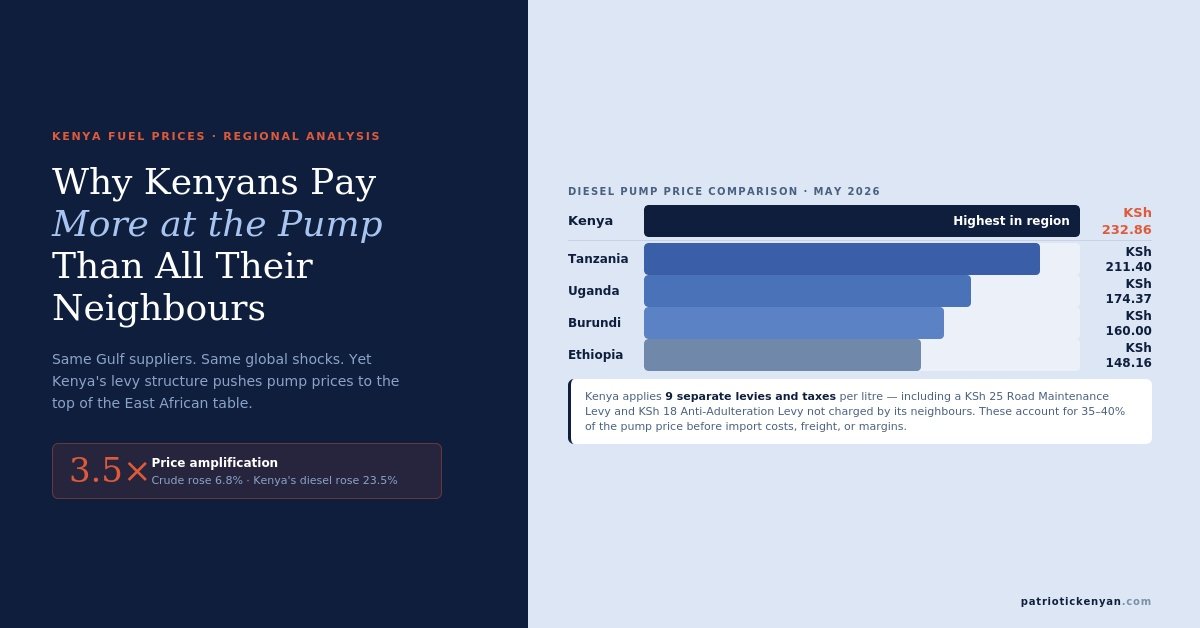
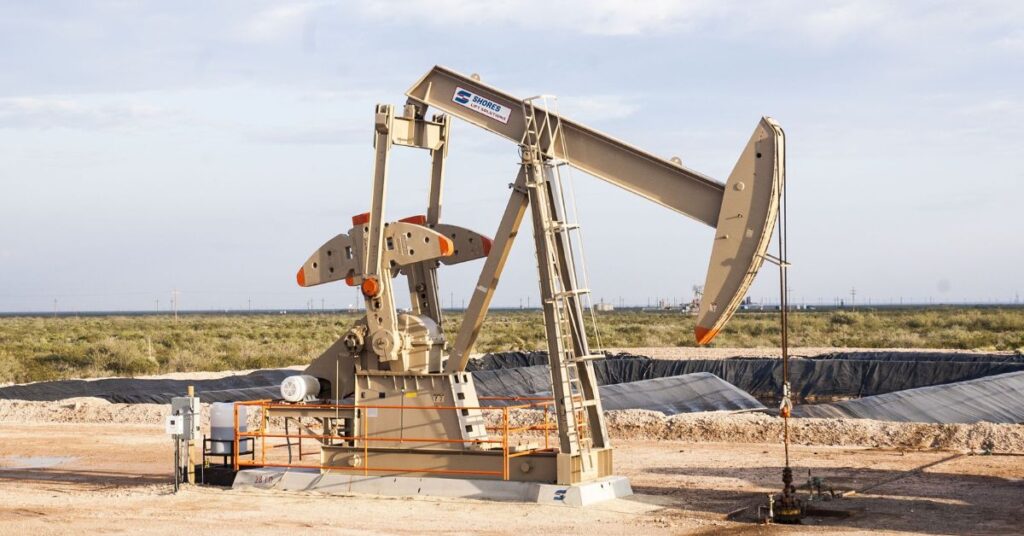
Kenya currently imports virtually all of its refined petroleum products. A major refinery at Mombasa would reduce that dependence and, in theory, stabilise the cost of fuel for consumers, transporters, and manufacturers. Cheaper energy ripples through almost every sector of the economy.
Jobs and industrial spillovers
Large-scale refinery projects create employment not just in construction and operations, but across the supply chain: logistics, engineering, maintenance, and chemicals. Dangote’s Lagos refinery demonstrated that such projects can anchor entire industrial clusters. A similar dynamic in Mombasa could accelerate Kenya’s manufacturing ambitions.
Nairobi as a continental capital market
The investment vehicle is arguably as consequential as the refinery. An estimated $60 billion in African private savings flows out of the continent every year into foreign property and low-yield Western bonds. If Nairobi becomes the base through which African savers invest in pan-African industrial assets, it would cement the city’s role as a genuine financial capital, attracting talent, institutions, and follow-on investment well beyond the Dangote Group itself.
The IFC’s detailed conversation with Dangote on these plans is publicly available and worth reading: IFC: Keeping African Wealth in Africa
The Questions Worth Asking
Balanced analysis requires acknowledging that ambition and delivery are not the same thing. Four key risks deserve scrutiny:
None of these concerns are reasons to be pessimistic. They are reasons to engage seriously.
The Bigger Picture
Dangote’s pivot toward Kenya is a signal, not merely a transaction. It reflects growing confidence in Kenya’s economic fundamentals, its infrastructure, and its institutional capacity. It is also part of a broader and welcome trend of intra-African investment: African capital building African industry.
The government’s response will matter as much as Dangote’s intentions. Transparent negotiations, a stable regulatory environment, and meaningful local content requirements will determine whether this becomes a story about Kenya’s industrial transformation or simply another foreign-led project that passes through without deep roots.
Kenya has the assets. The question is whether we negotiate wisely enough to capture the full value of them.
Frequently Asked Questions (FAQ)
What exactly is Dangote planning to build in Kenya?
Two things are currently proposed. The first is a 650,000-barrel-per-day oil refinery at the Port of Mombasa, intended to serve the East African region. The second is a Nairobi-based investment vehicle through which African retail investors would be able to pool capital into Dangote Group companies and receive dividends in US dollars, starting with the planned pan-African listing of his petroleum refinery.
Why did Dangote choose Mombasa over Tanzania’s Tanga port?
While East African leaders had previously discussed a joint refinery at Tanga, Dangote has publicly stated a preference for Mombasa, citing the port’s deeper berths and greater commercial infrastructure. Kenya’s larger consumer market and stronger regional economic weight also factor into his assessment. No final decision has been announced as of May 2026.
How would ordinary Kenyans benefit from the refinery?
The most direct benefit would be more stable and potentially lower fuel prices. Because Kenya currently imports all its refined petroleum, pump prices are heavily exposed to global oil market swings and shipping costs. A domestic refinery would buffer against that volatility. Indirect benefits include job creation in construction, operations, and the broader industrial supply chain.
Is the Nairobi investment vehicle open to ordinary Kenyan investors?
That is the stated intention. Dangote has described it as a mechanism for African savers broadly, not just institutions, to invest in his group’s companies. However, the vehicle is still in the planning stage, and details on minimum investment thresholds, regulatory approvals, and listing timelines have not yet been confirmed publicly.
What should Kenya’s government do to make the most of this opportunity?
At minimum: negotiate strong local content requirements so that Kenyan workers and suppliers benefit materially; secure clear profit-sharing and tax terms; ensure the Capital Markets Authority is prepared to regulate the investment vehicle properly; and invest in complementary infrastructure around the Mombasa port area. The quality of the deal Kenya negotiates now will shape the returns to Kenyans for decades.